
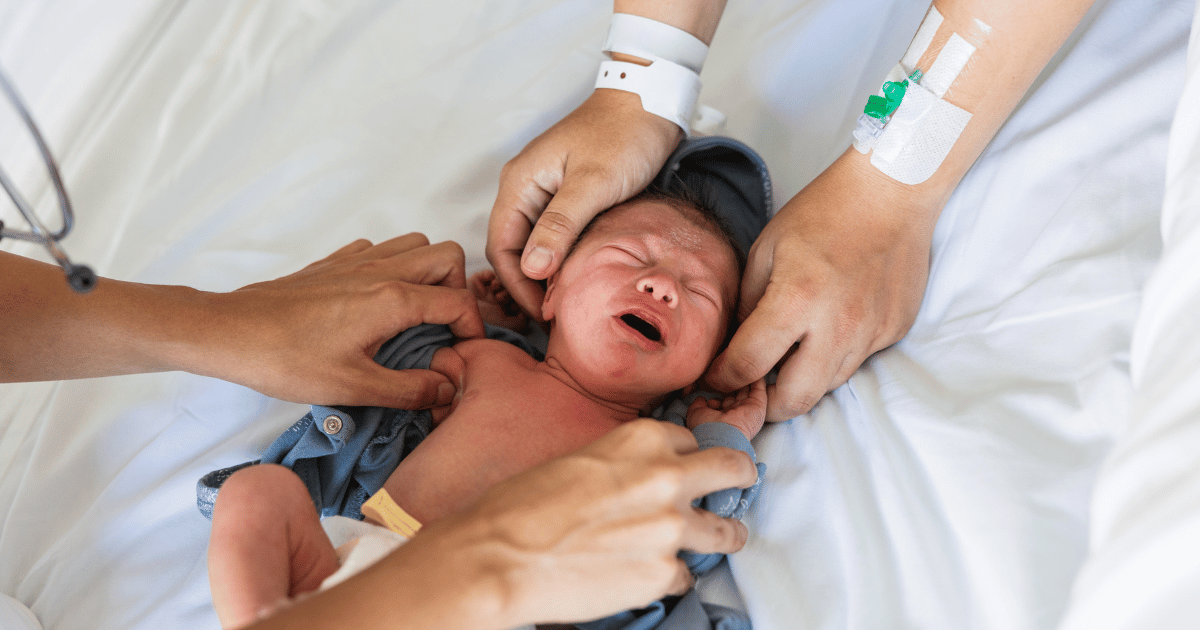
Birth is a complex process that can sometimes result in physical injuries to a newborn or complications affecting the birthing parent. These injuries vary widely, from temporary bruising and swelling to less common but more serious injuries involving nerves, bones, or the brain.
The term birth trauma can also refer to psychological distress associated with childbirth. Because the term has several meanings, understanding the specific concern is important when deciding what type of evaluation and support may be appropriate.
At Victory Spinal Care in Melbourne, Florida, we believe families deserve clear, responsible information about health concerns and available care options. Our practice focuses on upper cervical chiropractic care for appropriate musculoskeletal concerns. However, birth-related injuries—particularly those involving newborns—require appropriate medical or pediatric evaluation. Upper cervical chiropractic care is not an established treatment for birth injuries or birth-related neurological damage.
Birth trauma generally refers to physical injury occurring during labor or delivery. It may affect a newborn, the birthing parent, or both. The type and severity of injury depend on the structures involved and the circumstances surrounding the birth.
In newborns, some physical changes, such as temporary head molding or mild bruising, are common and resolve without specific treatment. Other injuries may require monitoring, rehabilitation, medication, or specialist care.
It is important to distinguish a birth-related injury from the normal physical changes that can occur during delivery. A difficult delivery does not automatically mean that a baby has sustained an injury, and a birth injury does not necessarily lead to long-term health problems.
This page focuses primarily on physical birth injuries in newborns and the importance of appropriate assessment and follow-up.
Birth-related injuries can affect different parts of the body. The appropriate treatment depends on the specific injury and its severity.
Head and Scalp Injuries
Pressure during delivery can cause temporary swelling or bruising of a newborn’s scalp. Some forms of swelling resolve naturally, while other conditions, such as certain bleeding beneath the scalp, require urgent medical assessment and monitoring.
A healthcare professional should evaluate unusual, rapidly increasing, or extensive swelling of a newborn’s head.
Brachial Plexus Injuries
The brachial plexus is a network of nerves that carries signals between the spinal cord and the shoulder, arm, and hand. Stretching or injury to these nerves during birth can affect movement or sensation in the affected arm.
Depending on the severity, an infant may have difficulty moving the shoulder, bending the elbow, or using the hand normally. Evaluation by a pediatrician and, when appropriate, a specialist is important. Treatment may involve monitoring, physical or occupational therapy, and sometimes surgery.
Facial Nerve Injury
Pressure or other factors during delivery can affect the facial nerve, leading to weakness of the facial muscles. This may make one side of the face move differently, particularly when the infant cries.
A pediatric assessment can help distinguish facial nerve injury from other causes of facial asymmetry and determine whether further care is needed.
Bone Injuries
Fractures, including injuries to the collarbone, can occasionally occur during delivery. A newborn may move one arm less than the other or appear uncomfortable when the affected area is handled.
Prompt pediatric evaluation can identify the injury and guide appropriate management.
Spinal Cord or Other Neurological Injuries
Serious injuries involving the spinal cord or brain are uncommon but can have significant consequences. Symptoms depend on the structures affected and may include unusual weakness, abnormal movement, seizures, breathing difficulties, or changes in responsiveness.
These symptoms require urgent medical evaluation. They must not be assumed to result from an upper cervical alignment problem.
Birth-Related Injuries Affecting the Birthing Parent
Birth-related physical injuries can also affect the birthing parent, including pelvic floor injuries, perineal tears, and other complications. Depending on the injury, follow-up may involve an obstetrician, primary care clinician, pelvic health physical therapist, or another qualified healthcare professional.
The appropriate care pathway depends on the specific injury rather than the general label of birth trauma.
Symptoms of a birth-related injury vary depending on the affected area. In a newborn, concerning signs may include:
Seek emergency medical care if a newborn has difficulty breathing, seizures, marked unresponsiveness, or other severe symptoms. A rapidly enlarging scalp swelling or sudden change in responsiveness also requires urgent assessment.
For the birthing parent, heavy bleeding, fainting, chest pain, difficulty breathing, severe headache with visual changes, or other serious symptoms after delivery require urgent medical care.
These signs are not intended for self-diagnosis. When a newborn or parent has concerning symptoms, do not wait for a chiropractic appointment.
Birth injuries can occur for several reasons. Factors that may increase the likelihood of certain injuries include:
These factors do not mean an injury will occur, and some birth injuries happen even when appropriate care is provided. The circumstances of delivery alone cannot establish whether an injury occurred.
Evaluation depends on the symptoms, the newborn’s age, the suspected injury, and the medical history.
A healthcare professional may use:
Not every birth-related injury requires extensive testing. A pediatric healthcare professional can determine which assessments are necessary.
If a baby has a known or suspected birth injury, the first step should be an evaluation by the baby’s pediatrician or the appropriate medical specialist.
Treatment varies considerably because birth trauma describes many different types of injury.
Depending on the diagnosis, care may include:
Recovery depends on the type and severity of the injury, the structures involved, and the individual’s circumstances. Some injuries resolve completely, while others may require ongoing support.
Early recognition and appropriate treatment can be important, especially when nerve damage or other significant injury is suspected.
At Victory Spinal Care in Melbourne, FL, our practice focuses on upper cervical chiropractic care, which involves evaluation and care of the upper portion of the neck.
Because birth trauma can involve a wide range of injuries, it is important to identify the specific condition before considering any additional care. A newborn with suspected birth-related nerve, bone, spinal cord, or brain injury needs evaluation by an appropriate pediatric or medical specialist.
Upper cervical chiropractic care has not been established as a treatment for birth trauma, birth-related nerve injury, spinal cord injury, or neurological damage. It should not be used to correct presumed birth-related misalignment in an infant or to replace pediatric assessment, physical therapy, or other indicated treatment.
If an older child or adult has a separate musculoskeletal concern, our team can discuss whether an upper cervical evaluation may be appropriate for that concern. Any decision about additional care should take the person’s medical history and individual needs into account.
Our goal is to be transparent about the scope of our services and help families make informed decisions based on appropriate medical guidance.
Q. What is considered birth trauma?
A. Birth trauma can refer to physical injuries occurring during labor or delivery, affecting the newborn or birthing parent. It can also refer to psychological distress associated with childbirth. The term is broad, so an assessment should identify the specific concern rather than assume that all birth-related problems have the same cause or treatment.
Q. Can birth trauma affect a baby’s nerves?
A. Yes. Certain delivery-related injuries can affect nerves, including the brachial plexus, which supplies the shoulder, arm, and hand. Signs may include reduced movement or weakness in an affected arm. A pediatrician can evaluate the baby and arrange specialist care or therapy when appropriate.
Q. Can upper cervical chiropractic care treat birth trauma in infants?
A. Upper cervical chiropractic care is not an established treatment for birth injuries or birth-related neurological damage. Infants with suspected injuries should first receive appropriate pediatric evaluation. Spinal manipulation is not an appropriate substitute for established assessment and treatment of an infant’s birth injury.
Q. Do all birth injuries cause long-term problems?
A. No. Many minor birth-related injuries resolve without lasting problems. Other injuries, particularly those involving nerves or the brain, may require ongoing monitoring, rehabilitation, or specialist care. The likely outcome depends on the specific injury and its severity.
Q. When should I take my baby to a doctor for a possible birth injury?
A. Contact your pediatrician promptly if your baby has reduced movement of an arm or leg, unusual weakness, facial asymmetry, significant swelling, or other concerning changes. Seek emergency care for breathing difficulties, seizures, marked unresponsiveness, or other severe symptoms. Do not delay medical evaluation while trying alternative treatments.
Q. Can birth trauma cause neck problems later in life?
A. Some birth-related injuries can involve the neck or nearby nerves, but later neck pain or movement difficulties can have many possible causes. A history of difficult delivery alone does not establish the cause of a person’s current symptoms. A qualified healthcare professional can assess the individual situation and recommend appropriate care.
Birth-related injuries can vary from minor, temporary changes to conditions requiring specialized medical care. Identifying the specific concern is an important step toward understanding the expected recovery and determining the right treatment.
Victory Spinal Care provides upper cervical chiropractic services for appropriate musculoskeletal concerns in Melbourne, Florida. For suspected birth injuries—particularly in newborns—pediatric or medical evaluation should come first.
Victory Spinal Care — Melbourne, Florida
301 W Fee Ave
Melbourne, FL 32901
Phone: (321) 288-1455
Serving Melbourne, Palm Bay, Viera, Suntree, West Melbourne, and surrounding Brevard County communities.
Contact us to learn more about our upper cervical chiropractic services.
Victory Spinal Care provides personalized upper cervical chiropractic care in Melbourne, Florida. Dr. Javier Canales-Díaz is committed to helping patients understand their spinal health and explore appropriate care options.
Service Areas: Melbourne, Palm Bay, Viera, Suntree, West Melbourne, and surrounding communities in Brevard County, Florida.
Copyright 2016-2025 Victory Spinal Care. All Rights Reserved.