
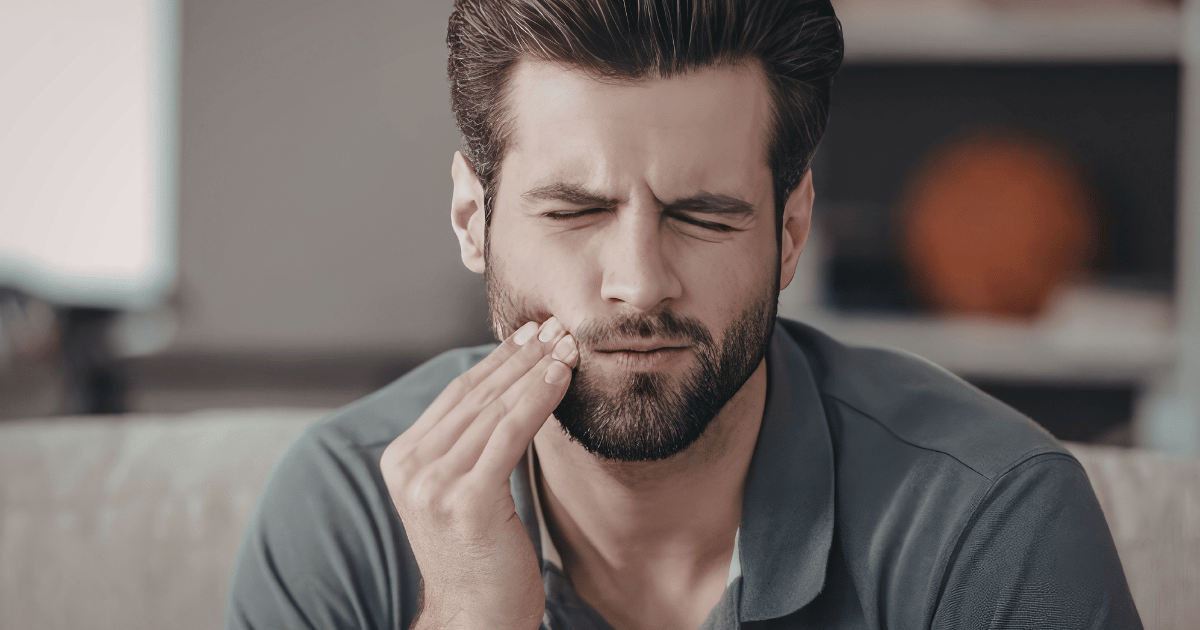
Jaw pain can affect more than your ability to eat comfortably. Clicking sounds, stiffness, facial discomfort, or difficulty opening your mouth may interfere with speaking, chewing, yawning, and everyday activities. Some people also experience headaches, ear-area discomfort, or tension in the surrounding muscles.
These symptoms may be associated with temporomandibular disorders, commonly called TMDs. However, jaw discomfort can also arise from dental problems, injuries, arthritis, or other conditions, so identifying the likely cause is important.
At Victory Spinal Care in Melbourne, Florida, our practice specializes in upper cervical chiropractic care, focusing on the upper portion of the neck. Because jaw and neck symptoms can sometimes occur together, understanding the difference between a jaw joint problem and a separate neck-related concern can help you make informed decisions about your care.
The terms TMJ and TMD are related, but they do not mean the same thing.
TMDs may involve joint pain, muscle discomfort, restricted movement, or changes in how the jaw moves. Some people experience symptoms on one side, while others have discomfort on both sides.
A clicking or popping sound does not automatically mean you have a disorder. Jaw sounds without pain or limited movement are common and may not require treatment. Persistent pain, locking, or difficulty opening your mouth deserves closer attention.
TMD symptoms can vary depending on the underlying cause and the structures involved.
Jaw Pain or Tenderness
You may notice discomfort around one or both jaw joints, in the cheeks, or in the muscles used for chewing. Symptoms may become more noticeable when eating, talking, or yawning.
Clicking, Popping, or Grinding Sounds
Some people hear clicking or popping when opening or closing their mouths. These sounds can occur with or without pain. A new or painful change in jaw movement may warrant an evaluation.
Stiffness or Limited Jaw Movement
Opening your mouth may feel uncomfortable or restricted. In some cases, the jaw may temporarily lock in an open or closed position, making normal movement difficult.
Pain While Chewing
Chewing tough or firm foods may aggravate jaw discomfort. You may also notice that your jaw muscles become tired or sore after eating or talking for an extended period.
Headaches or Facial Discomfort
Some people with TMD experience pain around the temples, cheeks, or sides of the head. Jaw-related pain may overlap with certain headache patterns, but headaches can have many other causes.
Ear-Area Symptoms
Pain around the ear, a feeling of fullness, or discomfort near the joint may occur with TMD. However, ear pain and hearing changes can also result from separate ear-related conditions. Do not assume that symptoms near the ear are caused by the jaw.
TMDs can have several contributing factors. In many cases, there is no single cause, and more than one factor may be involved.
Teeth clenching and grinding: Repeated clenching or grinding can place extra load on the jaw muscles and joints. Some people do this while sleeping without realizing it.
Muscle tension and overuse: Frequent gum chewing, prolonged chewing, or habits that keep the jaw muscles tense may aggravate symptoms in some individuals.
Jaw injury: An injury to the jaw or face may affect the joint or surrounding tissues and contribute to pain or restricted movement.
Arthritis and joint changes: Certain forms of arthritis can affect the temporomandibular joints, causing pain, stiffness, or changes in movement.
Stress and pain sensitivity: Stress may contribute to clenching, muscle tension, or increased awareness of pain. Stress alone does not explain every case of TMD.
Bite or movement-related concerns: Jaw mechanics and dental factors may be relevant in some cases, but a person’s bite should not automatically be assumed to be the cause of their symptoms.
Neck discomfort can occur alongside jaw symptoms, but this does not establish that a neck problem caused the TMD. An appropriate evaluation helps determine which structures may be involved.
The appropriate starting point depends on your symptoms. A dentist or healthcare provider familiar with TMD can review your history, examine jaw movement, assess tenderness, and determine whether additional evaluation is needed.
Your assessment may include questions about:
Imaging is not necessary for every person with jaw pain. A provider may recommend imaging or referral to an appropriate specialist if the symptoms or examination findings suggest it would be useful.
Depending on the suspected cause, care may involve a dentist, a healthcare provider, an oral and maxillofacial specialist, or a physical therapist with relevant experience. Dental infections and other conditions that resemble TMD need to be identified rather than assumed to be jaw joint disorders.
For uncomplicated jaw symptoms, conservative measures may help reduce irritation while you arrange an appropriate assessment.
Avoid forceful jaw exercises or attempts to manipulate the joint yourself, particularly if your jaw is locking or movement is severely restricted. Not every TMD requires the same treatment, so persistent symptoms should be assessed.
Understanding the Connection Without Assuming the Cause
Victory Spinal Care specializes in upper cervical chiropractic care, which focuses on the upper portion of the neck and spinal function.
The jaw, head, and neck work together during everyday movements, and some people experience jaw discomfort alongside neck pain or muscle tension. However, symptoms occurring together do not prove that the upper cervical spine is causing a jaw disorder.
Upper cervical chiropractic care is not an established treatment for every form of TMD. It should not be presented as a way to correct jaw joint damage, resolve dental problems, or replace evaluation by a dentist or qualified healthcare provider.
If you have a separate neck or upper cervical concern alongside jaw symptoms, Victory Spinal Care can discuss whether an upper cervical evaluation may be appropriate for that concern. This is distinct from diagnosing or treating the underlying jaw disorder.
For persistent jaw pain, locking, painful chewing, or suspected teeth grinding, consider an evaluation by a dentist or healthcare provider experienced in TMD. A coordinated approach can help ensure that each concern is assessed by the appropriate professional.
Jaw clicking without pain or restricted movement may not require treatment. However, persistent pain, worsening symptoms, or difficulty using your jaw should not be ignored.
Arrange a dental or medical evaluation if you experience:
Seek urgent care if your jaw becomes stuck and you cannot open or close your mouth normally, particularly if you cannot eat or drink.
Facial or jaw pain accompanied by chest pressure, shortness of breath, sweating, faintness, or pain spreading to the arm or back may indicate a medical emergency. Call 911 rather than assuming the symptoms are caused by TMD.
Sudden facial weakness, difficulty speaking, or other new neurological symptoms also require emergency evaluation.
Q. What is the difference between TMJ and TMD?
A. TMJ refers to the temporomandibular joint itself—the joint connecting your jaw to your skull. TMD refers to disorders affecting the jaw joints, chewing muscles, and related tissues. People often use “TMJ” as a general term for jaw joint problems, but TMD is the more precise term for the group of conditions.
Q. Does jaw clicking mean I have a TMJ disorder?
A. Not necessarily. Clicking or popping can occur without pain or restricted movement and may not require treatment. If the sounds are accompanied by pain, locking, or difficulty opening your mouth, consider an evaluation by a dentist or healthcare provider familiar with TMD.
Q. Can neck problems contribute to jaw pain?
A. Neck discomfort and jaw symptoms can occur together, and muscle tension or movement patterns may be relevant for some people. However, this does not establish that the neck is the cause of a jaw disorder. Dental problems, joint conditions, and other causes should also be considered.
Q. Can a chiropractor treat TMJ disorders?
A. Chiropractic approaches vary, and evidence does not establish upper cervical chiropractic care as a treatment for every type of TMD. Victory Spinal Care specializes in upper cervical care and can discuss a separate neck-related concern, but this should not replace appropriate dental or medical evaluation for jaw pain or dysfunction.
Q. Should I see a dentist or a doctor for jaw pain?
A. A dentist familiar with TMD is often a useful starting point, particularly when symptoms involve chewing, clenching, grinding, or tooth pain. A medical provider may be appropriate when symptoms suggest another health condition. Depending on the findings, referral to a specialist or physical therapist may be recommended.
Q. Can TMJ disorders cause ear pain or headaches?
A. Some people with TMD experience pain around the ears, temples, or head. However, ear pain and headaches can have many causes. Persistent symptoms, hearing changes, or severe or unusual headaches should be evaluated rather than automatically attributed to a jaw disorder.
Understand Your Jaw and Neck Symptoms
Jaw pain, clicking, and restricted movement can have different causes, and identifying the source is an important step toward choosing appropriate care.
Victory Spinal Care specializes in upper cervical chiropractic care. If you also have a separate neck or upper cervical concern, our team can discuss whether an evaluation may be appropriate. For persistent jaw pain, locking, painful chewing, or suspected TMD, consult a qualified dental or medical provider for assessment.
Victory Spinal Care
301 W Fee Ave, Melbourne, FL 32901
Phone: (321) 288-1455
Serving Melbourne, Palm Bay, Viera, Suntree, West Melbourne, and surrounding Brevard County communities.
Contact Victory Spinal Care to learn more about our upper cervical chiropractic services and whether an evaluation may be appropriate for your needs.
Victory Spinal Care provides personalized upper cervical chiropractic care in Melbourne, Florida. Dr. Javier Canales-Díaz is committed to helping patients understand their spinal health and explore appropriate care options.
Service Areas: Melbourne, Palm Bay, Viera, Suntree, West Melbourne, and surrounding communities in Brevard County, Florida.
Copyright 2016-2025 Victory Spinal Care. All Rights Reserved.