
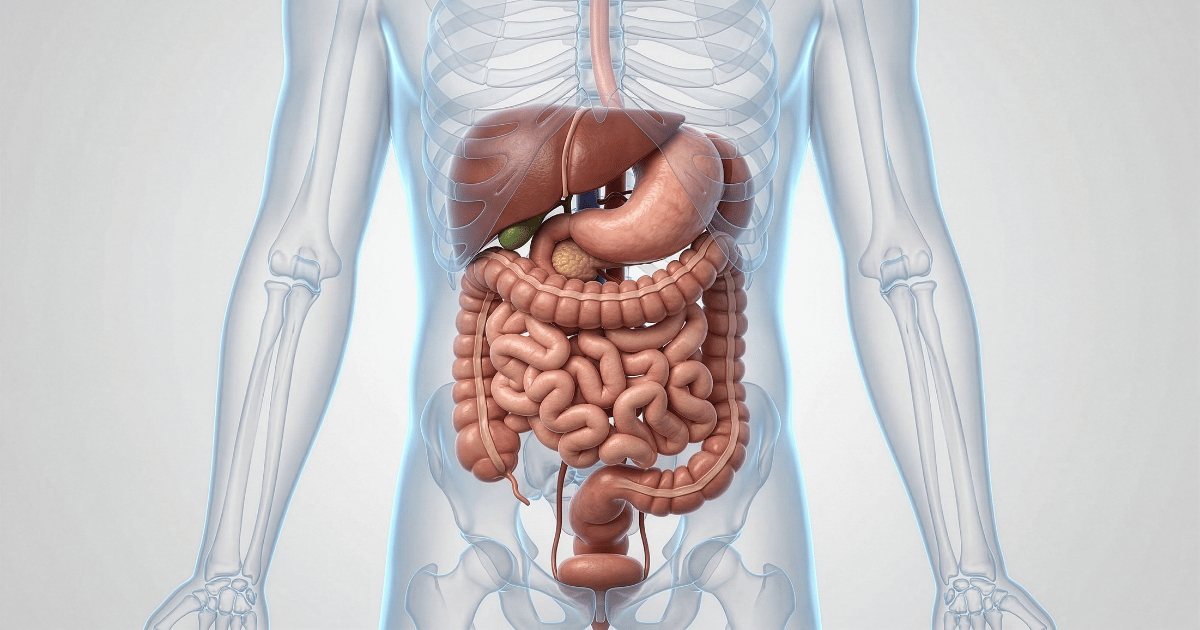
Digestive problems can affect many aspects of daily life, from enjoying meals to getting a restful night’s sleep. Bloating, abdominal discomfort, constipation, diarrhea, heartburn, and nausea are common symptoms that can occur for different reasons. When these symptoms happen frequently or interfere with everyday activities, understanding their underlying cause becomes important.
Digestive disorders include a wide range of conditions affecting the gastrointestinal tract and related organs, including the stomach, intestines, liver, gallbladder, and pancreas. Some conditions are temporary, while others require ongoing medical care.
At Victory Spinal Care in Melbourne, Florida, we believe patients benefit from understanding their symptoms and knowing when to seek appropriate care. Our practice focuses on upper cervical chiropractic care. However, upper cervical chiropractic care is not an established treatment for digestive disorders generally and should not replace medical evaluation, gastroenterology care, or treatment prescribed for a digestive condition.
This page provides educational information about common digestive disorders, possible symptoms, evaluation options, and the importance of choosing care based on an accurate diagnosis.
Digestive disorders are health conditions that affect the digestive system and its ability to process food, absorb nutrients, and eliminate waste.
The digestive system includes the esophagus, stomach, small intestine, large intestine, rectum, and anus. The liver, gallbladder, and pancreas also play important roles in digestion.
Some digestive conditions affect how food moves through the gastrointestinal tract. Others involve inflammation, infection, food intolerance, acid reflux, or problems with the organs that produce digestive substances.
Examples of common digestive disorders include:
These disorders have different causes and treatment requirements. Similar symptoms can occur across multiple conditions, so a medical evaluation may be needed to determine what is happening.
Digestive symptoms can vary depending on the affected organ and the underlying condition. Some people experience occasional discomfort, while others have recurring or persistent symptoms.
Common symptoms include:
These symptoms do not identify a specific digestive disorder on their own. Persistent symptoms, unexplained changes, or symptoms that are getting worse deserve professional evaluation.
There is no single cause of digestive disorders. The contributing factors depend on the condition and may include infections, immune system activity, food intolerance, medication effects, structural problems, or changes in how the digestive system functions.
Food Intolerances and Dietary Triggers
Some people experience digestive symptoms after consuming particular foods or ingredients. Lactose intolerance, for example, can cause bloating, gas, abdominal discomfort, and diarrhea after consuming lactose-containing foods.
Certain foods may also trigger symptoms in people with IBS, reflux, or other conditions. However, a food that causes symptoms for one person may not affect someone else in the same way.
Avoiding major food groups without professional guidance can lead to nutritional deficiencies. If you suspect a food intolerance or allergy, discuss appropriate evaluation and dietary changes with a qualified healthcare professional.
Gastrointestinal Infections
Viruses, bacteria, and parasites can cause digestive symptoms such as diarrhea, abdominal cramps, nausea, and vomiting. Some infections resolve within a short time, while others may require testing or specific treatment.
Persistent symptoms, dehydration, fever, or blood in the stool should not be ignored.
Inflammatory and Immune-Related Conditions
Conditions such as Crohn’s disease, ulcerative colitis, and celiac disease involve immune-related processes that affect the digestive system.
These conditions require appropriate diagnosis and condition-specific management. They should not be attributed to spinal alignment or assumed to improve through chiropractic adjustments.
Digestive Function and Motility
Digestive motility refers to the movement of food and waste through the gastrointestinal tract. Problems with this process can contribute to symptoms such as constipation, delayed stomach emptying, or other digestive difficulties.
The underlying cause may involve a medical condition, medications, nerve function, or other factors.
Medication Effects and Other Health Conditions
Some medicines can affect digestion or bowel habits. Other health conditions, including diabetes and certain neurological disorders, can also contribute to gastrointestinal symptoms.
Reviewing medications and relevant medical history with a healthcare professional can help identify possible contributors.
Stress and the Gut-Brain Connection
The brain and digestive system communicate through a network often referred to as the gut-brain connection. Stress and emotional strain can influence digestive symptoms in some people, particularly in disorders such as IBS.
This does not mean symptoms are imaginary or that stress is the only cause. Digestive complaints still deserve appropriate evaluation, and treatment may involve several complementary strategies depending on the diagnosis.
The appropriate evaluation depends on your symptoms, medical history, age, risk factors, and the condition your healthcare professional suspects.
A medical evaluation may include:
Not everyone needs all of these tests. A healthcare professional determines which investigations are appropriate based on the individual circumstances.
Treatment depends on the underlying condition. A plan that helps one digestive disorder may not be appropriate for another, which is why an accurate diagnosis matters.
Medical Treatment
Depending on the condition, treatment may include medication for acid reflux, constipation, infection, inflammation, or other diagnosed problems. Some conditions require long-term medication, monitoring, or specialist care.
Do not discontinue prescribed treatment or make major medication changes without discussing them with your healthcare professional.
Nutrition and Dietary Guidance
A registered dietitian or qualified healthcare professional can help identify dietary changes that may be useful for a particular diagnosis.
Depending on the condition, recommendations may involve adjusting fiber intake, identifying specific food triggers, modifying meal size or timing, or following a medically indicated diet. Broad restrictions are not necessary or beneficial for everyone.
Hydration and Daily Habits
Adequate fluid intake, regular meals, suitable physical activity, and consistent routines may help support digestive health for some people. The right recommendations depend on the underlying condition and any medical restrictions.
Specialist Care
A gastroenterologist specializes in digestive system disorders and may be appropriate when symptoms are persistent, complicated, unexplained, or associated with warning signs.
Some digestive conditions require coordinated care among primary care clinicians, gastroenterologists, dietitians, surgeons, or other specialists.
Managing Stress When Relevant
For some functional gastrointestinal disorders, approaches such as stress management or gut-directed psychological therapies may be included in a broader treatment plan. These approaches complement rather than replace appropriate medical care.
Patient Education and Individualized Care in Melbourne, FL
Victory Spinal Care, led by Dr. Javier Canales-Díaz, D.C., focuses on upper cervical chiropractic care involving the upper portion of the neck.
You may encounter claims online suggesting that upper cervical adjustments can correct digestive problems by improving spinal alignment or nervous system function. However, these claims should not be treated as established medical evidence that chiropractic adjustments diagnose, treat, or cure digestive disorders.
Research supporting chiropractic treatment for gastrointestinal disorders remains insufficient to establish it as an effective treatment for these conditions. Evidence for spinal manipulation in certain musculoskeletal problems does not establish that it treats IBS, GERD, inflammatory bowel disease, celiac disease, or other gastrointestinal disorders.
For individuals experiencing digestive symptoms, responsible care begins with identifying the possible cause and determining which healthcare professional is best equipped to address it.
Our approach to discussing care includes:
Can Upper Cervical Chiropractic Care Treat Digestive Disorders?
Upper cervical chiropractic care is not an established treatment for digestive disorders. Current evidence does not support promising that upper cervical adjustments will improve digestion, restore bowel function, correct acid reflux, or resolve gastrointestinal disease.
If you are experiencing digestive symptoms, the most important step is to discuss them with a qualified healthcare professional who can evaluate the possible causes and recommend appropriate treatment.
Victory Spinal Care provides upper cervical chiropractic services. Any consideration of chiropractic care should be based on an appropriate indication, individual health circumstances, and an understanding of its limitations. It should never delay or replace necessary digestive or medical care.
Q. What are the most common digestive disorders?
A. Common digestive disorders include acid reflux, IBS, constipation, diarrhea, food intolerances, celiac disease, inflammatory bowel disease, and indigestion. These conditions can produce similar symptoms but differ in their causes and treatment. A healthcare professional can help determine which condition may be responsible.
Q. What are the warning signs of a digestive problem?
A. Warning signs include blood in the stool, black or tarry stools, persistent vomiting, difficulty swallowing, unexplained weight loss, and ongoing changes in bowel habits. Severe or sudden abdominal pain, vomiting blood, or significant gastrointestinal bleeding may require emergency care.
Q. Can stress cause digestive problems?
A. Stress can influence digestive symptoms through communication between the brain and gastrointestinal system. It may contribute to symptom flares in some people, including those with IBS. However, stress should not automatically be assumed to be the cause of digestive symptoms, and persistent complaints may require medical evaluation.
Q. How are digestive disorders treated?
A. Treatment depends on the diagnosis and may include medication, dietary changes, hydration, lifestyle adjustments, specialist care, or other condition-specific approaches. Some digestive conditions require long-term monitoring and treatment. An individualized plan is more appropriate than using the same remedy for every digestive complaint.
Q. Can upper cervical chiropractic care help with digestive disorders?
A. There is not sufficient evidence to establish upper cervical chiropractic care as an effective treatment for digestive disorders generally. It should not be promoted as a cure for IBS, GERD, celiac disease, inflammatory bowel disease, or other gastrointestinal conditions. Seek appropriate medical care for digestive symptoms and follow the treatment recommendations for your diagnosis.
Q. When should I see a doctor about digestive symptoms?
A. Arrange a medical evaluation if symptoms persist, recur frequently, worsen, or interfere with everyday activities. Seek prompt evaluation for unintended weight loss, difficulty swallowing, blood in the stool, or ongoing vomiting or diarrhea. Severe or sudden abdominal pain, vomiting blood, or heavy gastrointestinal bleeding requires emergency medical attention.
Understanding Your Health Is an Important First Step
Digestive symptoms can arise from many different conditions, and finding the right approach starts with understanding the possible cause. Appropriate medical evaluation can help you make informed decisions about diagnosis, treatment, and long-term digestive health.
Victory Spinal Care provides upper cervical chiropractic care in Melbourne, Florida. If you have questions about our services, contact our office to learn more. For digestive symptoms, consult a qualified medical professional to determine the appropriate evaluation and treatment.
Victory Spinal Care
301 W Fee Ave
Melbourne, FL 32901
Phone: (321) 288-1455
Serving Melbourne, Palm Bay, Viera, Suntree, West Melbourne, and surrounding Brevard County communities.
Contact us to learn more about Victory Spinal Care’s services.
Victory Spinal Care provides personalized upper cervical chiropractic care in Melbourne, Florida. Dr. Javier Canales-Díaz is committed to helping patients understand their spinal health and explore appropriate care options.
Service Areas: Melbourne, Palm Bay, Viera, Suntree, West Melbourne, and surrounding communities in Brevard County, Florida.
Copyright 2016-2025 Victory Spinal Care. All Rights Reserved.