
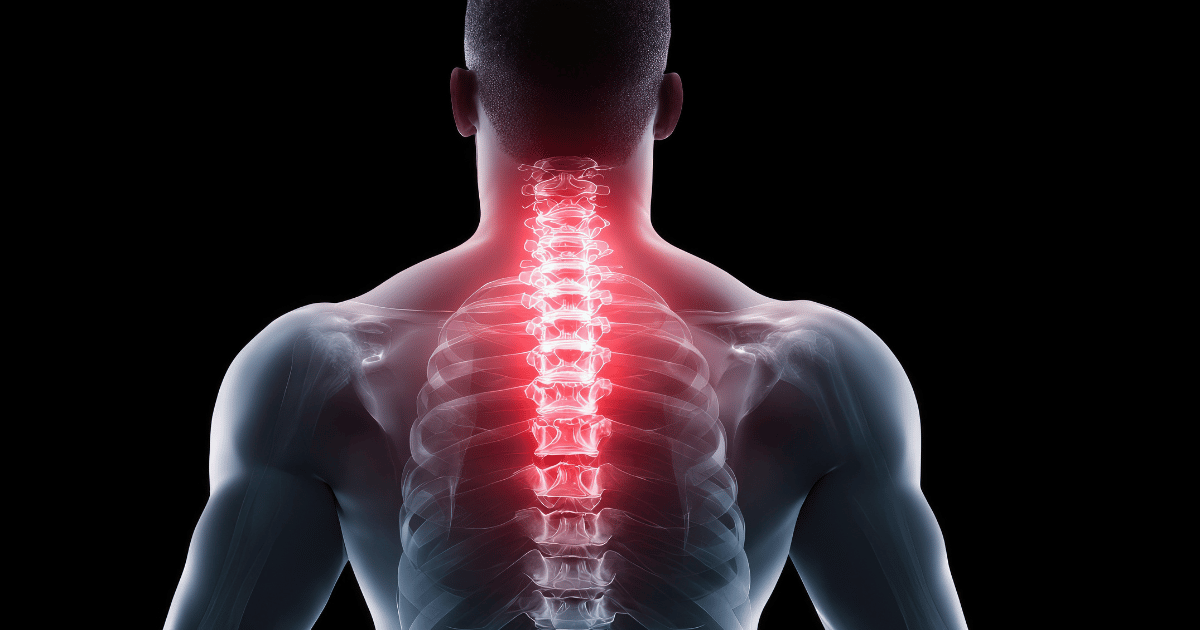
Occipital neuralgia is a type of nerve pain that affects the occipital nerves, which travel from the upper neck into the back of the scalp. When these nerves become irritated or injured, they can cause sudden, sharp, shooting, or electric-shock-like pain that may extend from the base of the skull toward the top of the head.
The pain may occur on one side or both sides of the head. Some people also experience scalp sensitivity, tenderness behind the ears, or discomfort behind an eye. Because these symptoms can resemble migraine, tension headaches, and other conditions, an accurate medical assessment is important.
At Victory Spinal Care in Melbourne, Florida, we understand that recurring head and neck discomfort can interfere with daily life. Our practice focuses on upper cervical chiropractic care for appropriate musculoskeletal concerns. However, occipital neuralgia requires proper evaluation, and upper cervical chiropractic care is not an established stand-alone treatment for this nerve condition.
The occipital nerves carry sensory information from the back of the scalp. Occipital neuralgia develops when one or more of these nerves become irritated, compressed, or injured.
The condition can produce brief episodes of intense, shooting pain, sometimes accompanied by a persistent ache between episodes. Even light contact with the scalp, such as brushing the hair or resting the head against a pillow, may trigger discomfort in some people.
Occipital neuralgia is different from a typical tension headache, and it is not the same as cervicogenic headache, which is pain referred from structures in the neck. Migraine can also cause pain in the back of the head and may overlap with some symptoms. A healthcare professional can help distinguish among these possibilities.
Symptoms vary from person to person. They may include:
These symptoms can overlap with other headache and neck conditions. Do not assume that sharp pain at the back of your head is occipital neuralgia without a proper evaluation.
Occipital neuralgia can develop for different reasons. Sometimes a clear cause is identified, while in other cases the cause remains uncertain.
Possible contributing factors include:
Not every person with neck tension or cervical spine changes has occipital neuralgia. Identifying the actual source of pain is important because treatment depends on the underlying problem.
There is no single test that identifies every case of occipital neuralgia. Diagnosis generally begins with a detailed medical history and physical examination.
Your healthcare professional may ask about the location, duration, and character of your pain, as well as any previous head or neck injuries. The examination may include checking scalp sensitivity, tenderness along the occipital nerves, neck movement, and neurological function.
Depending on your symptoms, additional steps may include:
Because other headache disorders can resemble occipital neuralgia, a clinician may need to consider several possible explanations before confirming a diagnosis.
Treatment depends on the cause, severity, frequency of symptoms, and response to previous care. A medical professional may recommend one or more options.
Not every option is suitable for every patient, and the evidence and expected benefits vary by treatment. A healthcare professional can explain the potential benefits, limitations, and risks of each approach.
At Victory Spinal Care in Melbourne, FL, our practice focuses on upper cervical chiropractic care, which involves evaluation and care of the upper portion of the neck.
The upper neck and the occipital nerves are anatomically close, but that does not mean that every headache originating near the base of the skull is caused by a spinal alignment issue. Occipital neuralgia is a nerve-related condition that requires appropriate medical assessment.
Upper cervical chiropractic care has not been established as a reliable treatment for occipital neuralgia itself. It should not replace diagnosis by a qualified healthcare professional, medication when indicated, nerve blocks, or specialist care.
If you have a separate neck-related musculoskeletal concern, our team can discuss whether an upper cervical evaluation may be appropriate for that concern. We encourage patients experiencing recurring or unexplained head pain to obtain a medical assessment first, particularly when symptoms are new, worsening, or accompanied by other warning signs.
Our goal is to help you understand the scope of our services and make informed decisions about your health.
Q. What does occipital neuralgia pain feel like?
A. It often feels like sudden, sharp, shooting, stabbing, or electric-shock-like pain that begins near the base of the skull and travels into the scalp. Some people also experience aching, burning, tingling, or scalp tenderness between or during episodes.
Q. Is occipital neuralgia the same as a migraine?
A. No. Occipital neuralgia involves pain associated with the occipital nerves, while migraine is a distinct headache disorder. Their symptoms can overlap, and migraine may also cause pain at the back of the head. A healthcare professional can help determine which condition is most likely.
Q. Can neck problems contribute to occipital neuralgia?
A. Certain neck-related conditions, injuries, or tight tissues may contribute to irritation of the occipital nerves. However, neck pain alone does not confirm occipital neuralgia, and not every case has an identifiable neck-related cause. Medical assessment is important to determine the likely source of symptoms.
Q. Can upper cervical chiropractic care treat occipital neuralgia?
A. Upper cervical chiropractic care is not an established treatment for occipital neuralgia. If you also have a separate musculoskeletal concern involving the neck, a chiropractor can discuss whether an evaluation may be appropriate for that issue. Chiropractic care should not delay medical diagnosis or recommended treatment for nerve pain.
Q. How is occipital neuralgia treated?
A. Treatment depends on the individual diagnosis and may include medication, physical therapy, comfort measures, occipital nerve blocks, or specialist procedures for persistent symptoms. Your healthcare professional can recommend options based on your medical history and response to treatment.
Q. When should I seek medical attention for pain at the back of my head?
A. Arrange a medical evaluation for new, recurring, unexplained, or worsening head and neck pain. Seek emergency care for a sudden, severe headache or head pain accompanied by fever and a stiff neck, fainting, confusion, double vision, weakness, numbness, difficulty speaking, or other sudden neurological symptoms.
Sharp pain at the base of the skull can have several possible causes. Getting the right diagnosis is an important step toward understanding your symptoms and choosing appropriate care.
If you have a separate neck-related musculoskeletal concern, Victory Spinal Care can discuss whether upper cervical chiropractic care may be suitable for that issue.
Victory Spinal Care — Melbourne, Florida
301 W Fee Ave
Melbourne, FL 32901
Phone: (321) 288-1455
Serving Melbourne, Palm Bay, Viera, Suntree, West Melbourne, and surrounding Brevard County communities.
Contact us to learn more about our upper cervical chiropractic services.
Victory Spinal Care provides personalized upper cervical chiropractic care in Melbourne, Florida. Dr. Javier Canales-Díaz is committed to helping patients understand their spinal health and explore appropriate care options.
Service Areas: Melbourne, Palm Bay, Viera, Suntree, West Melbourne, and surrounding communities in Brevard County, Florida.
Copyright 2016-2025 Victory Spinal Care. All Rights Reserved.