
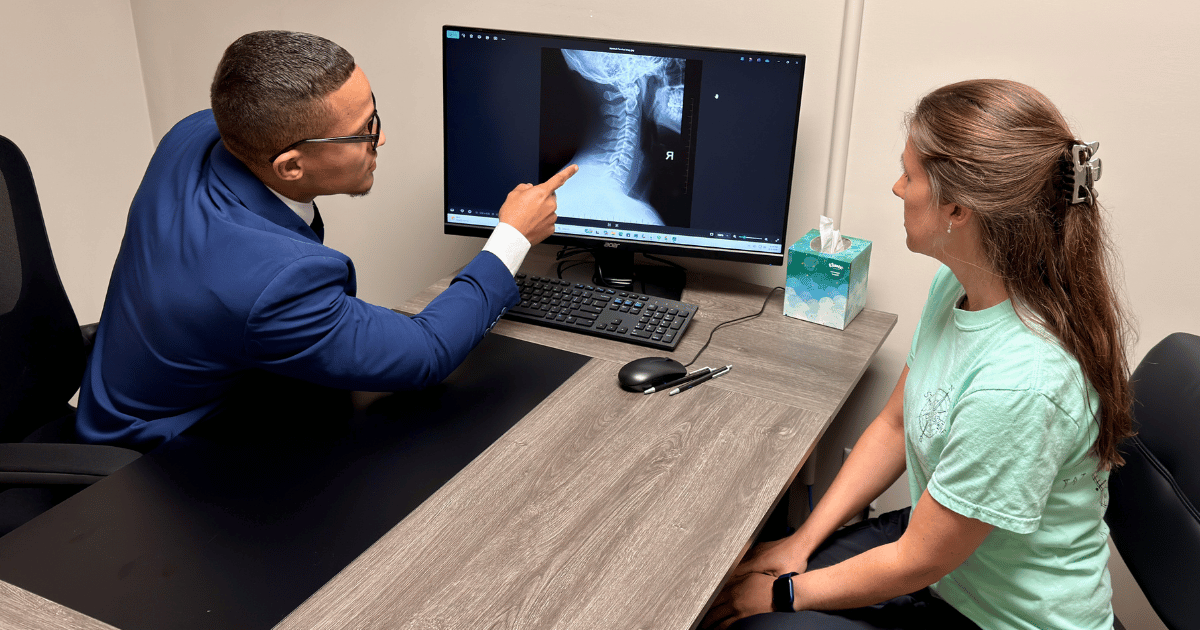
Living with persistent pain can affect far more than your physical comfort. It may make everyday activities, work, exercise, sleep, and time with family more difficult. When pain continues for months, even simple tasks can require extra effort and planning.
At Victory Spinal Care in Melbourne, Florida, we recognize that every person’s experience with pain is different. Chronic pain can involve muscles, joints, nerves, the spine, or multiple parts of the body. Finding an appropriate approach starts with understanding your symptoms, considering possible contributing factors, and identifying the care options that fit your individual needs.
Our practice focuses on upper cervical chiropractic care. For people whose symptoms include certain types of neck-related or musculoskeletal discomfort, chiropractic care may be one consideration within a broader pain management plan. It is not a cure for every type of chronic pain, and persistent pain should be appropriately evaluated by a qualified healthcare professional.
Chronic pain is generally defined as pain that lasts longer than three months or continues beyond the expected healing period. Unlike acute pain, which often improves as an injury heals, chronic pain may persist even after the original injury has recovered.
It can be constant, come and go, or change in intensity throughout the day. Some people experience pain in one specific area, while others have discomfort across multiple regions of the body.
Chronic pain may be associated with an identifiable medical condition, such as arthritis, nerve damage, or a previous injury. In other cases, the cause may be less clear. Changes in how the nervous system processes pain can also contribute to persistent symptoms.
Chronic pain is real, even when the cause is not immediately apparent. A person’s experience should be taken seriously, and the right management plan should address both the underlying condition, when identifiable, and the effect pain has on daily life.
Chronic pain does not feel the same for everyone. Its characteristics often depend on the underlying condition, the area affected, and other individual factors.
Possible symptoms include:
These symptoms do not establish a specific diagnosis. A healthcare professional can help determine what may be causing your pain and which evaluations or treatments are appropriate.
Chronic pain can develop for several reasons. Sometimes, a specific condition is responsible; in other cases, multiple factors may contribute.
Previous Injuries or Surgery
Pain can sometimes continue after an injury or surgical procedure, even after the tissues have largely healed. Persistent symptoms may involve changes in movement, nerve sensitivity, scar tissue, or other factors that require further evaluation.
Spine, Joint, and Musculoskeletal Conditions
Conditions affecting the back, neck, shoulders, hips, knees, or other joints can contribute to ongoing discomfort. Arthritis, muscle strains, certain spinal conditions, and movement-related problems are examples.
Nerve-Related Conditions
Nerve irritation or damage may cause burning, tingling, numbness, or shooting pain. Conditions such as neuropathy and some forms of sciatica can produce persistent symptoms and may require condition-specific treatment.
Chronic Health Conditions
Some long-term conditions are associated with widespread or recurring pain. Examples include fibromyalgia, certain inflammatory disorders, and some neurological conditions.
Changes in Pain Processing
The nervous system plays an important role in how the body detects and interprets pain. In some people, changes in pain processing may contribute to persistent symptoms, even when an initial injury has healed or no single structural cause is identified.
Stress, Sleep, and Other Contributing Factors
Poor sleep, stress, emotional strain, and reduced physical activity can interact with chronic pain. These factors do not mean the pain is imaginary. They may influence how symptoms are experienced and how well a person copes with them.
Identifying the possible contributors is an important step toward choosing a suitable management plan.
Because chronic pain has many potential causes, an appropriate evaluation should consider the full clinical picture rather than focusing on pain intensity alone.
Depending on your symptoms, a healthcare professional may:
Not everyone needs the same tests. The appropriate evaluation depends on the symptoms, medical history, and suspected cause.
Persistent or unexplained pain should not automatically be attributed to spinal alignment, posture, or muscle tension without considering other possible explanations.
There is no single treatment that works for every type of chronic pain. Effective care depends on the underlying cause, a person’s overall health, and the goals they want to achieve.
Depending on the condition, a healthcare professional may recommend one or more of the following approaches.
Physical Therapy and Appropriate Movement
A tailored exercise or physical therapy program may help improve strength, flexibility, mobility, and the ability to perform daily activities. The right level of activity depends on the condition and should be adjusted to individual tolerance.
Medical Treatment
Medications may be appropriate for certain types of pain. Options vary by diagnosis and can include non-opioid medications or other prescription treatments. Medication choices should be discussed with a qualified healthcare professional, especially if you have other health conditions or take multiple medications.
Multidisciplinary Pain Management
Some people benefit from coordinated care involving primary care providers, pain management specialists, physical therapists, and other qualified professionals. Psychological approaches, including cognitive behavioral therapy, may also help people manage the effects of persistent pain.
Lifestyle and Self-Management Strategies
Depending on your condition, a healthcare professional may recommend practical strategies such as maintaining a regular sleep schedule, gradually increasing suitable physical activity, managing stress, and pacing demanding tasks.
Chiropractic Care for Selected Musculoskeletal Conditions
Spinal manipulation may provide modest improvements in pain or function for some people with certain musculoskeletal conditions, including chronic low back pain. The available evidence does not mean chiropractic care is appropriate for every cause of chronic pain or that every chiropractic technique has the same evidence.
Treatment should be selected based on the individual’s diagnosis, health history, potential risks, and preferences.
Individualized Upper Cervical Chiropractic Care in Melbourne, FL
At Victory Spinal Care, Dr. Javier Canales-Díaz, D.C., focuses on upper cervical chiropractic care, which concentrates on the upper portion of the neck.
For some individuals experiencing musculoskeletal discomfort involving the neck, an appropriate chiropractic evaluation may help determine whether this type of care is a reasonable option to discuss as part of their overall management plan.
Our approach emphasizes understanding your symptoms and health history before considering care. Depending on your circumstances, the process may include:
The goal is to make informed decisions about care based on your individual circumstances—not to assume that all chronic pain originates in the neck.
The answer depends on the cause and type of pain.
Research on spinal manipulation supports possible benefits for selected musculoskeletal conditions, particularly some forms of back and neck pain. However, this evidence should not be interpreted as proof that upper cervical chiropractic adjustments treat chronic pain throughout the body.
Upper cervical chiropractic care is not an established cure for fibromyalgia, neuropathy, autoimmune diseases, cancer-related pain, or other complex medical conditions. It should not replace necessary medical treatment, prescribed medications, neurological care, or specialist-directed pain management.
If your symptoms are not suitable for chiropractic care, or if they require further medical evaluation, that distinction matters. A responsible care decision begins with understanding what may be causing the pain and which options are supported for that condition.
Q. When is pain considered chronic?
A. Pain is generally considered chronic when it lasts longer than three months or continues beyond the expected healing period. It may be constant, intermittent, or fluctuate in severity. A healthcare professional can help evaluate persistent pain and determine whether an underlying condition needs treatment.
Q. What are the most common causes of chronic pain?
A. Potential causes include arthritis, previous injuries, certain spinal conditions, nerve damage, fibromyalgia, and other long-term health conditions. Some people experience persistent pain without a clearly identifiable cause. Because these possibilities require different approaches, an appropriate evaluation is important.
Q. Can chronic pain go away?
A. Some forms of chronic pain improve substantially with appropriate treatment, while others require ongoing management. Outcomes depend on the cause, overall health, and response to treatment. Even when complete relief is not possible, a suitable plan may help improve comfort, function, and quality of life.
Q. Can upper cervical chiropractic care help with chronic pain?
A. Upper cervical chiropractic care may be a consideration for selected individuals whose symptoms involve certain musculoskeletal concerns, but its suitability depends on the cause of the pain. Evidence for spinal manipulation in some conditions, such as chronic low back pain, does not establish that upper cervical adjustments treat all types of chronic pain. A healthcare professional can help determine which options are appropriate.
Q. Should I see a doctor for chronic pain?
A. Yes. Persistent, unexplained, worsening, or recurring pain deserves medical evaluation, particularly if it interferes with daily life or is accompanied by other symptoms. A medical professional can assess possible causes, recommend appropriate tests, and help coordinate treatment. Chiropractic care, if suitable, should complement rather than replace necessary medical care.
Q. When should chronic pain be treated as an emergency?
A. Seek emergency medical care for pain accompanied by symptoms such as sudden chest pressure or pain, difficulty breathing, sudden weakness or numbness, new difficulty speaking, or loss of bladder or bowel control with back pain. Severe back pain with new numbness around the groin or saddle area, or new difficulty passing urine, also requires emergency assessment. Do not delay urgent evaluation to seek chiropractic care.
Personalised Care Starts With Understanding Your Symptoms
Persistent pain can make everyday life challenging, but you do not have to navigate your care options without guidance. Understanding the possible cause of your symptoms is an important first step toward making informed decisions about your health.
Victory Spinal Care provides upper cervical chiropractic care in Melbourne, Florida. If you are exploring whether this approach may be appropriate for your circumstances, contact our office to discuss your concerns and learn more about the evaluation process.
Victory Spinal Care
301 W Fee Ave
Melbourne, FL 32901
Phone: (321) 288-1455
Serving Melbourne, Palm Bay, Viera, Suntree, West Melbourne, and surrounding Brevard County communities.
Contact us to learn more about upper cervical chiropractic care.
Victory Spinal Care provides personalized upper cervical chiropractic care in Melbourne, Florida. Dr. Javier Canales-Díaz is committed to helping patients understand their spinal health and explore appropriate care options.
Service Areas: Melbourne, Palm Bay, Viera, Suntree, West Melbourne, and surrounding communities in Brevard County, Florida.
Copyright 2016-2025 Victory Spinal Care. All Rights Reserved.