
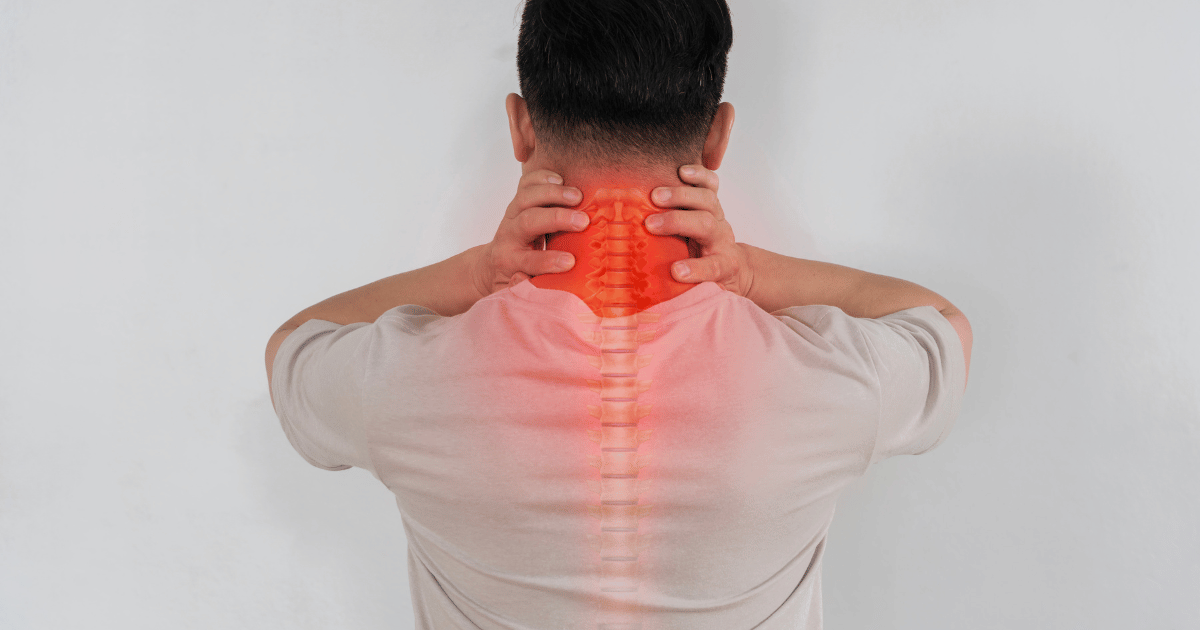
Dizziness can affect your balance, confidence, and ability to carry out everyday activities. Some people experience lightheadedness or unsteadiness alongside neck pain, stiffness, or restricted movement. When dizziness is suspected to be associated with a neck-related disorder, healthcare professionals may consider a condition commonly called cervicogenic dizziness.
The relationship between neck problems and dizziness is complex. Although neck discomfort and dizziness sometimes occur together, one does not necessarily cause the other. Inner ear disorders, migraine, medication effects, blood pressure changes, and neurological conditions can produce similar symptoms.
At Victory Spinal Care in Melbourne, Florida, our practice focuses on upper cervical chiropractic care for appropriate musculoskeletal concerns. We recognize the importance of evaluating neck-related symptoms carefully. However, cervicogenic dizziness is a diagnosis that requires other possible causes to be considered, and upper cervical chiropractic care is not a proven or guaranteed treatment for every person experiencing dizziness.
Cervicogenic dizziness—also called cervical dizziness in some medical literature—is a term used when dizziness or a sense of imbalance is thought to be associated with a problem involving the cervical spine or surrounding neck tissues.
The neck contains sensory receptors that provide the brain with information about head and neck position. This information works together with input from the eyes and the inner ear to help maintain balance and coordinate movement.
Researchers have proposed that altered sensory information from the neck may contribute to dizziness in some people. However, the precise relationship between cervical dysfunction and dizziness remains debated, and there is no universally accepted diagnostic test that definitively confirms cervicogenic dizziness.
The term vertigo usually describes an illusion of movement, such as feeling that you or the room is spinning. Suspected neck-related dizziness more often involves unsteadiness, disorientation, or lightheadedness rather than true spinning vertigo.
This distinction matters because different symptoms can point toward different underlying conditions and treatment needs.
When dizziness is suspected to be associated with a neck-related condition, symptoms may include:
These symptoms are not specific to cervicogenic dizziness. For example, moving the head can worsen several inner ear conditions, and neck pain may occur alongside migraine or other vestibular disorders.
Dizziness should not automatically be attributed to the neck. A thorough assessment is important before deciding whether a cervical condition may be contributing.
The possible relationship between neck dysfunction and dizziness is still being studied. In people whose symptoms are suspected to be cervical in origin, clinicians may consider factors such as:
These factors do not establish that the neck is causing the dizziness. Even when neck pain and dizziness begin around the same time, other explanations need to be considered.
There is no single test that confirms cervicogenic dizziness in every case. It is generally approached as a diagnosis of exclusion, meaning that other possible causes of the symptoms must first be evaluated.
A healthcare professional may:
Review Your Symptoms and Medical History
The clinician may ask when the dizziness began, how long episodes last, whether symptoms occur with neck discomfort, and whether particular movements trigger them.
Assess Neck Movement and Function
An examination may evaluate neck mobility, tenderness, posture, and other musculoskeletal findings that could be relevant to the symptoms.
Evaluate Balance and Vestibular Function
Depending on the presentation, an appropriate clinician may assess eye movements, balance, positional symptoms, and inner ear function. This can help investigate conditions such as benign paroxysmal positional vertigo (BPPV).
Consider Neurological or Other Medical Causes
Medication effects, cardiovascular problems, migraine, neurological conditions, and other medical issues may need to be considered. Imaging or additional tests may be recommended when clinically appropriate.
Not every patient needs every test. The assessment depends on the individual’s symptoms and medical history.
A diagnosis of cervicogenic dizziness should not be made solely because someone has neck pain, reduced neck mobility, or an abnormal imaging finding.
Treatment depends on the underlying diagnosis and the person’s symptoms. If a clinician determines that a cervical musculoskeletal problem may be contributing, care may focus on addressing that problem while monitoring the dizziness.
Potential approaches include:
The correct approach depends on the cause. Treatment designed for a neck-related problem may not be appropriate for an inner ear disorder or another condition that produces dizziness.
At Victory Spinal Care in Melbourne, FL, our practice focuses on upper cervical chiropractic care, which involves evaluation and care of the upper portion of the neck.
Because the upper neck contributes to head movement and provides sensory information to the nervous system, cervical function may be relevant when assessing certain musculoskeletal concerns. However, the relationship between neck dysfunction and dizziness is not fully established, and the presence of dizziness does not automatically indicate an upper cervical problem.
Our approach begins with understanding your symptoms and determining whether your concerns fall within the scope of our services. If you have neck pain or stiffness alongside dizziness, an appropriate medical evaluation should first consider inner ear, neurological, cardiovascular, medication-related, and other potential causes.
Upper cervical chiropractic care should not be presented as a guaranteed treatment for cervicogenic dizziness or vertigo. Evidence for manual therapies varies, and findings about manual therapy in general do not establish that a specific upper cervical chiropractic technique will resolve dizziness.
If a separate neck-related musculoskeletal concern is identified and an upper cervical evaluation is appropriate, our team can discuss the scope and limitations of our services. We encourage patients with unexplained, persistent, or worsening dizziness to seek appropriate medical evaluation rather than assuming the neck is responsible.
Our goal is to provide clear information so patients can make informed decisions about their health and care options.
Q. Can neck problems cause dizziness?
A. Neck problems and dizziness can occur together, and some clinicians consider cervical dysfunction as a possible contributor in selected cases. However, the causal relationship remains debated. Inner ear, neurological, cardiovascular, and other causes should be evaluated before dizziness is attributed to the neck.
Q. How is cervicogenic dizziness different from vertigo caused by the inner ear?
A. Suspected cervicogenic dizziness more often involves unsteadiness, disorientation, or lightheadedness alongside neck discomfort. Inner ear conditions may cause spinning vertigo, motion sensitivity, or other balance symptoms. These patterns can overlap, so symptoms alone cannot reliably establish the cause.
Q. Can upper cervical chiropractic care help cervicogenic dizziness?
A. Upper cervical chiropractic care may be considered for an appropriate neck-related musculoskeletal concern, but it cannot be guaranteed to resolve dizziness. Evidence for manual therapy varies, and evidence about manual therapy in general does not prove that a particular UCC technique treats cervicogenic dizziness. Appropriate medical assessment should come first.
Q. What tests are used to diagnose cervicogenic dizziness?
A. There is no single definitive test. A healthcare professional may review symptoms, assess neck function, and evaluate balance, eye movements, and vestibular function. Additional testing may be recommended to investigate inner ear, neurological, cardiovascular, or other medical causes.
Q. Can poor posture cause cervicogenic dizziness?
A. Prolonged positions may contribute to neck discomfort or stiffness in some people, but poor posture alone does not establish the cause of dizziness. A clinician needs to evaluate whether a cervical condition is actually contributing and consider other possible explanations.
Q. When should I seek medical care for dizziness?
A. Arrange medical evaluation for persistent, recurring, unexplained, or worsening dizziness. Call 911 for sudden dizziness accompanied by facial drooping, one-sided weakness or numbness, difficulty speaking, double vision, severe unusual headache, or sudden inability to walk safely. Sudden hearing loss also requires urgent medical assessment.
Dizziness can have many possible causes, and identifying the source is an important step toward appropriate care. If you experience dizziness alongside neck pain or stiffness, a qualified healthcare professional can help determine whether a cervical condition may be contributing.
Victory Spinal Care provides upper cervical chiropractic services for appropriate musculoskeletal concerns in Melbourne, Florida. If an upper cervical evaluation may be relevant to a separate neck-related concern, our team can discuss the available options and their limitations.
Victory Spinal Care — Melbourne, Florida
301 W Fee Ave
Melbourne, FL 32901
Phone: (321) 288-1455
Serving Melbourne, Palm Bay, Viera, Suntree, West Melbourne, and surrounding Brevard County communities.
Contact us to learn more about our upper cervical chiropractic services.
Victory Spinal Care provides personalized upper cervical chiropractic care in Melbourne, Florida. Dr. Javier Canales-Díaz is committed to helping patients understand their spinal health and explore appropriate care options.
Service Areas: Melbourne, Palm Bay, Viera, Suntree, West Melbourne, and surrounding communities in Brevard County, Florida.
Copyright 2016-2025 Victory Spinal Care. All Rights Reserved.