
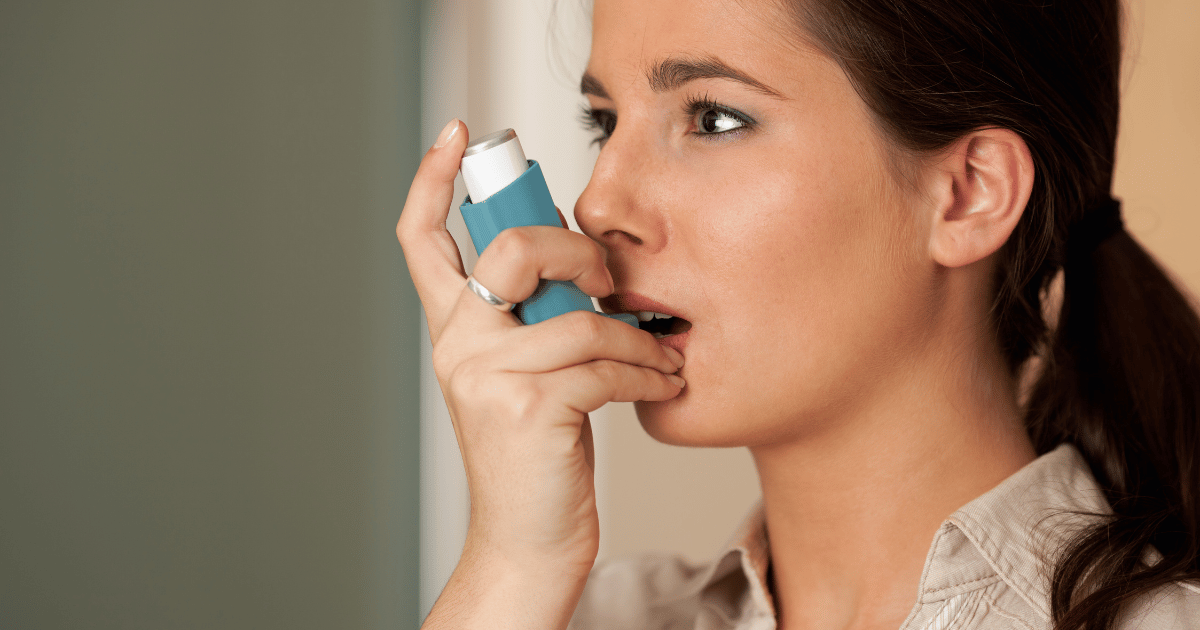
Asthma can make breathing feel difficult, particularly during a flare-up. You may experience wheezing, persistent coughing, chest tightness, or shortness of breath that gets worse at night, during exercise, or around certain environmental triggers.
For some people, symptoms occur occasionally. For others, asthma requires ongoing management to help prevent flare-ups and maintain everyday activities.
At Victory Spinal Care in Melbourne, Florida, we believe that understanding your health and knowing which care options are appropriate are important parts of making informed decisions. Our practice specializes in upper cervical chiropractic care. Asthma, however, is a chronic condition affecting the airways in the lungs and requires appropriate medical diagnosis and management.
This page explains common asthma symptoms, possible triggers, and established management approaches so you can better understand the condition and know when to seek medical attention.
Asthma is a chronic respiratory condition in which the airways can become inflamed, swollen, and narrowed. The muscles surrounding the airways may tighten, and the airways may produce additional mucus.
These changes can make it harder for air to move in and out of the lungs.
Asthma symptoms can vary over time. Some people experience symptoms mainly during exercise, exposure to allergens, or respiratory illnesses, while others have more frequent symptoms.
Although asthma cannot currently be cured, appropriate medical management can help many people control their symptoms and reduce the risk of severe attacks.
Asthma affects both children and adults. Its severity and triggers differ from person to person, so an individualized treatment plan is important.
Asthma symptoms can range from mild to severe and may come and go.
Common symptoms include:
Symptoms may worsen at certain times or after exposure to a trigger. However, breathing difficulties are not always caused by asthma. Other respiratory, cardiac, and medical conditions can produce similar symptoms, so an appropriate assessment is important.
Asthma triggers are factors that can provoke or worsen symptoms in susceptible individuals. Triggers vary, and not everyone with asthma reacts to the same things.
Allergens
Dust mites, pollen, mold, and animal allergens can trigger symptoms in some people with asthma, particularly when allergies are also present.
Respiratory Infections
Colds, influenza, and other respiratory infections can inflame the airways and contribute to an asthma flare-up.
Smoke and Air Pollution
Tobacco smoke, wildfire smoke, vehicle emissions, and other airborne irritants can aggravate asthma symptoms.
Exercise and Physical Activity
Exercise can trigger symptoms in some people, particularly when asthma is not well controlled. With appropriate medical guidance, many people with asthma can remain physically active.
Weather and Temperature Changes
Cold air, sudden weather changes, or changes in humidity may trigger symptoms for some individuals.
Strong Odors and Workplace Irritants
Perfumes, cleaning products, chemical fumes, and certain workplace exposures can irritate the airways in some people.
Stress and Strong Emotions
Stress and strong emotions may contribute to symptoms in some individuals, although they are not the underlying cause of asthma.
Recognizing your personal triggers can help you and your healthcare provider develop a practical management plan. Avoiding triggers where possible is useful, but it does not replace prescribed asthma medication.
Asthma diagnosis involves reviewing your symptoms, medical history, and possible triggers. A healthcare provider may also ask whether symptoms occur at night, during exercise, or after exposure to allergens or irritants.
Breathing tests are often used to help confirm the diagnosis.
These may include:
Not every person needs every test. A primary care provider, pulmonologist, or other qualified medical professional can determine which evaluations are appropriate.
If you have recurring wheezing, coughing, or shortness of breath, do not assume the symptoms are asthma without an appropriate assessment.
Asthma management aims to control symptoms, maintain normal daily activities, and reduce the risk of severe flare-ups.
Your healthcare provider may recommend a combination of the following approaches.
Prescribed Asthma Medication
Depending on the type and severity of asthma, treatment may include controller medication to reduce airway inflammation and reliever medication to help manage acute symptoms. Some inhalers contain more than one medication.
Use your medication according to your prescribed instructions. Do not stop or change your asthma treatment without discussing it with your healthcare provider.
A Written Asthma Action Plan
An asthma action plan explains how to recognize worsening symptoms, which medications to use, and when to contact your provider or seek emergency care. Ask your healthcare provider to help you create or update a plan suited to your needs.
Identifying and Managing Triggers
Your provider can help you identify relevant triggers and decide which changes may be useful. Depending on your situation, this could include reducing exposure to smoke, managing known allergens, or taking precautions around exercise-related triggers.
Regular Medical Follow-Up
Regular checkups can help assess how well your asthma is controlled, review inhaler technique, and determine whether your treatment plan needs adjustment.
Appropriate Physical Activity
Many people with asthma can exercise safely when their condition is appropriately managed. If activity triggers symptoms, ask your healthcare provider how to prepare for exercise and whether your current treatment plan needs review.
Effective asthma management is individualized. What works for one person may not be appropriate for another.
Understanding Victory Spinal Care’s Scope of Services
Victory Spinal Care specializes in upper cervical chiropractic care, which focuses on the upper portion of the neck and spinal function.
Asthma, however, involves inflammation and narrowing of the airways in the lungs. Upper cervical chiropractic care does not treat this underlying airway condition and should not be presented as a method to open the airways, prevent asthma attacks, or replace asthma medication.
Research on spinal manipulation for asthma is limited, and available evidence does not establish it as an effective asthma treatment. Complementary approaches should never replace proven medical management.
If you have asthma, continue working with your medical provider and follow your prescribed treatment plan. If you also have a separate neck or musculoskeletal concern, Victory Spinal Care can discuss whether an upper cervical evaluation may be appropriate for that concern. This is distinct from treating asthma itself.
Our goal is to provide clear information about our services so you can make informed choices without delaying the medical care needed to manage a respiratory condition.
Asthma symptoms can sometimes become severe quickly. Knowing when to seek emergency care is essential.
Call 911 immediately if you or someone else is experiencing severe breathing difficulty, struggling to speak because of shortness of breath, developing blue or gray lips or fingernails, or becoming confused or unusually drowsy.
Seek emergency care if prescribed rescue medication is not relieving symptoms as directed in your asthma action plan, or breathing remains very difficult. Do not wait for a routine appointment if symptoms are severe.
If symptoms are becoming more frequent, waking you at night, limiting activity, or requiring reliever medication more often than directed, contact your healthcare provider promptly to review your asthma control.
Alongside your prescribed medical treatment, these habits may help you manage asthma more effectively:
These measures support—but do not replace—medical treatment and monitoring.
Q. What are the most common symptoms of asthma?
A. Common symptoms include wheezing, coughing, chest tightness, and shortness of breath. Symptoms may worsen at night, during exercise, or after exposure to certain allergens or irritants. If these symptoms recur, a healthcare provider can assess whether asthma or another condition may be responsible.
Q. What causes asthma?
A. Asthma involves chronic inflammation and sensitivity of the airways. The exact reasons a person develops asthma vary and can involve genetic and environmental factors. Triggers such as allergens, smoke, respiratory infections, and exercise can worsen symptoms, but triggers themselves are not necessarily the underlying cause of the condition.
Q. Can asthma be cured?
A. There is currently no cure for asthma, but appropriate treatment can help many people control symptoms and reduce the risk of severe attacks. Regular follow-up and adherence to an individualized treatment plan are important.
Q. Can a chiropractor help with asthma?
A. Upper cervical chiropractic care is not an established treatment for asthma. Research has not shown sufficient evidence to recommend spinal manipulation as a replacement for standard asthma management. People with asthma should continue prescribed medication and medical follow-up.
Q. Can neck problems cause asthma?
A. Asthma is an airway condition involving inflammation and narrowing in the lungs. Neck discomfort may occur alongside other health concerns, but a neck problem should not be assumed to cause asthma. Breathing symptoms require appropriate medical evaluation.
Q. When should I seek emergency care for asthma?
A. Call 911 if breathing becomes severely difficult, you cannot speak normally because of breathlessness, your lips or fingernails appear blue or gray, or you become confused or unusually drowsy. Seek emergency care if your prescribed reliever medication is not helping as directed or severe symptoms continue.
Make Informed Decisions About Your Health
Asthma requires an appropriate medical management plan, and breathing symptoms should always be taken seriously. Victory Spinal Care specializes in upper cervical chiropractic care and can discuss whether an evaluation may be appropriate if you have a separate neck or musculoskeletal concern.
We do not treat asthma, and our services are not a substitute for respiratory care, prescribed medication, or emergency treatment.
Victory Spinal Care
301 W Fee Ave, Melbourne, FL 32901
Phone: (321) 288-1455
Serving Melbourne, Palm Bay, Viera, Suntree, West Melbourne, and surrounding Brevard County communities.
Contact Victory Spinal Care to learn more about our upper cervical chiropractic services. For asthma symptoms or concerns about breathing, contact an appropriate medical provider.
Victory Spinal Care provides personalized upper cervical chiropractic care in Melbourne, Florida. Dr. Javier Canales-Díaz is committed to helping patients understand their spinal health and explore appropriate care options.
Service Areas: Melbourne, Palm Bay, Viera, Suntree, West Melbourne, and surrounding communities in Brevard County, Florida.
Copyright 2016-2025 Victory Spinal Care. All Rights Reserved.