
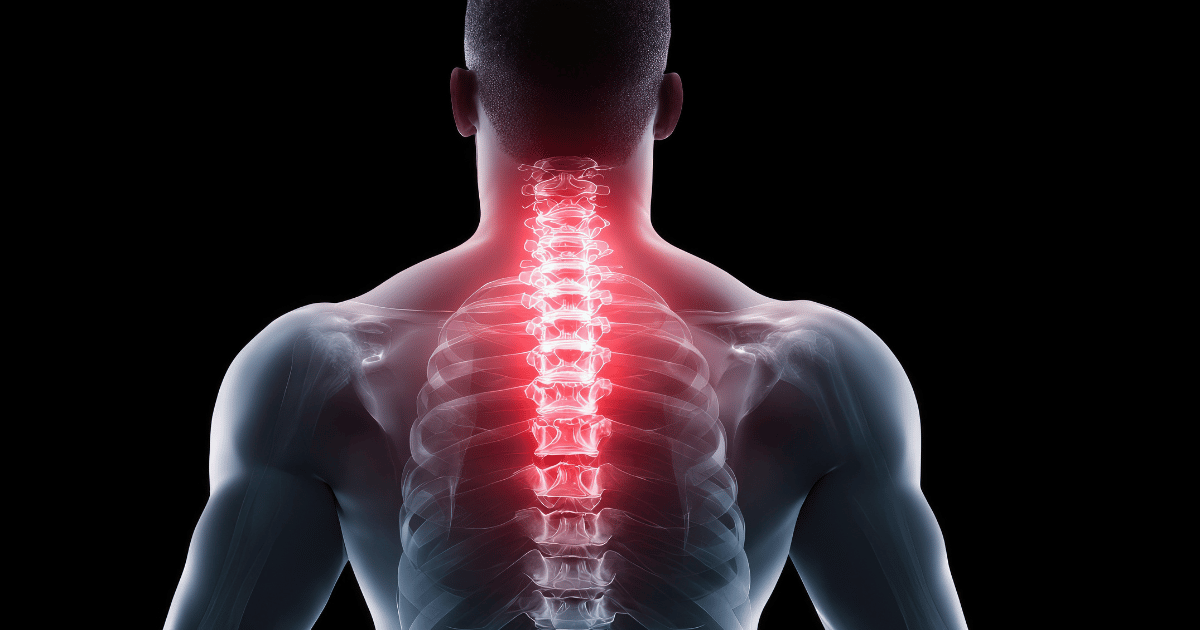
The area where the skull meets the upper spine plays an important role in supporting the head and protecting the brainstem and spinal cord. Conditions affecting this region can involve the bones, joints, ligaments, or nearby neurological structures. Depending on the specific abnormality, a person may experience neck pain, headaches, limited neck movement, balance difficulties, or neurological symptoms.
Craniocervical abnormalities vary considerably. Some are present from birth, while others develop following an injury or as a result of an underlying medical condition. Some cause few or no symptoms, while others require specialized medical care.
At Victory Spinal Care in Melbourne, Florida, we believe that understanding the nature of a condition is essential when considering care options. Our practice focuses on upper cervical chiropractic care, but a diagnosed or suspected craniocervical abnormality requires appropriate medical assessment. Chiropractic adjustments are not a substitute for evaluating structural abnormalities or protecting the brainstem and spinal cord.
The craniocervical junction is the anatomical region where the skull connects with the upper cervical spine. It primarily involves the occipital bone at the base of the skull and the first two cervical vertebrae, known as C1 (the atlas) and C2 (the axis), along with their supporting joints and ligaments.
This region allows the head to move while helping protect important neurological structures, including the lower part of the brainstem and the upper spinal cord.
Craniocervical abnormalities are structural or developmental conditions that affect this junction. They may involve unusual bone formation, abnormal connections between bones, excessive movement or instability, or narrowing that places pressure on nearby neural structures.
Examples include:
These conditions are not interchangeable. Each has different diagnostic considerations, potential complications, and treatment options. An appropriate medical evaluation is necessary to understand the significance of a specific finding.
Symptoms depend on the type of abnormality, whether the region is stable, and whether nearby nerves, the brainstem, or the spinal cord are affected. Some abnormalities are discovered during imaging for another reason and may not cause noticeable symptoms.
Possible symptoms include:
Having one or more of these symptoms does not automatically mean that a craniocervical abnormality is present. Many other conditions can cause similar symptoms. However, new neurological symptoms, progressive weakness, or problems with swallowing or breathing warrant prompt medical evaluation.
Craniocervical abnormalities can be congenital, meaning present from birth, or acquired later in life.
Congenital or Developmental Differences
Some abnormalities develop before birth as the skull and upper spine form. They may involve differences in bone shape, bone fusion, or the space available for the brainstem and spinal cord.
Certain genetic or developmental conditions can also affect the stability or structure of the upper cervical spine. The clinical significance varies from person to person, so an imaging finding should be interpreted in the context of the individual’s symptoms and medical history.
Injuries and Trauma
Motor vehicle collisions, falls, diving accidents, and other significant injuries can damage the bones or ligaments supporting the craniocervical junction.
Because this region protects important neurological structures, a suspected injury requires appropriate emergency or specialist assessment. A person should not attempt to test neck mobility or seek neck manipulation after a significant injury before receiving medical clearance.
Inflammatory or Degenerative Conditions
Certain conditions, including rheumatoid arthritis, can affect the joints and supporting structures of the upper cervical spine. In some cases, these changes may lead to instability or displacement.
Other bone disorders may also alter the structure of this region.
Other Structural Conditions
Less commonly, tumors or other abnormalities may affect the bones or soft tissues near the craniocervical junction and place pressure on surrounding structures.
The cause, degree of instability, and presence of neurological involvement all influence the evaluation and treatment plan.
Diagnosis requires a medical assessment that considers the specific symptoms and suspected structural problem. A neck examination alone cannot reliably confirm or rule out every craniocervical abnormality.
Depending on the clinical situation, evaluation may include:
Not every person needs every test. A physician or specialist determines which investigations are appropriate based on the symptoms, examination findings, and clinical concerns.
If a craniocervical abnormality has already been identified on imaging, the report should be interpreted by a qualified healthcare professional who can explain what the finding means for that individual.
There is no single treatment for all craniocervical abnormalities. Management depends on the diagnosis, structural stability, severity of symptoms, and whether the brainstem, spinal cord, or nerves are affected.
Medical Monitoring
Some abnormalities that are not causing significant symptoms or neurological complications may be monitored by a qualified specialist. Monitoring recommendations depend on the specific diagnosis and may include follow-up examinations or imaging.
Activity Guidance and Protective Measures
When instability or injury is suspected, a healthcare professional may recommend restrictions on certain activities or specific precautions to reduce the risk of further injury. Follow the instructions provided by the treating clinician.
Specialist-Directed Treatment
Depending on the condition, care may involve neurology, neurosurgery, orthopedic spine specialists, or other relevant medical professionals.
Some abnormalities may require stabilization, immobilization, decompression, or surgery—particularly when there is significant instability or pressure on the brainstem or spinal cord. Others may not require an operation.
Rehabilitation When Medically Appropriate
Rehabilitation or physical therapy may be appropriate for selected individuals once a specialist has determined which activities are safe. The type and intensity of rehabilitation must be tailored to the diagnosis and the stability of the affected region.
Important: Do not assume that neck manipulation, stretching, or exercises are safe for a diagnosed or suspected craniocervical abnormality. Obtain guidance from the treating medical professional before undertaking treatment that moves or loads the neck.
Patient Education and Appropriate Care Decisions in Melbourne, FL
Victory Spinal Care, led by Dr. Javier Canales-Díaz, D.C., focuses on upper cervical chiropractic care, which involves the upper portion of the neck.
Although the craniocervical junction is part of the upper cervical region, upper cervical chiropractic care is not the same as specialist treatment for a structural craniocervical abnormality. A condition involving instability, bone malformation, injury, or compression of neurological structures requires diagnosis and management appropriate to that condition.
For someone who has been diagnosed with—or is concerned about—a craniocervical abnormality, the priority is to understand the diagnosis and follow the treating clinician’s recommendations.
Important considerations include:
Is Upper Cervical Chiropractic Care Appropriate for Craniocervical Abnormalities?
It cannot be assumed to be appropriate.
There is no established basis for presenting upper cervical chiropractic adjustments as a treatment that corrects congenital bone abnormalities, stabilizes an unstable craniocervical junction, relieves brainstem or spinal cord compression, or replaces specialist-directed care.
For a person with a known or suspected structural abnormality, neck manipulation should not be undertaken without appropriate medical assessment and explicit guidance about its safety. Depending on the diagnosis, manipulation may be contraindicated.
Victory Spinal Care’s focus on upper cervical care does not replace the need for diagnosis or specialist management. Any decision about additional care should respect the individual’s medical findings, treatment plan, and safety considerations.
Q. What are craniocervical abnormalities?
A. Craniocervical abnormalities are structural or developmental conditions affecting the area where the skull meets the upper cervical spine. They may involve bones, joints, ligaments, or nearby neurological structures. Some cause no symptoms, while others can affect neck movement or place pressure on the brainstem or spinal cord.
Q. What symptoms can craniocervical abnormalities cause?
A. Possible symptoms include upper neck pain, headaches, restricted neck movement, balance difficulties, altered sensation, weakness, or problems with swallowing and coordination. Symptoms depend on the particular condition and whether neurological structures are affected. These symptoms can also have other causes, so medical evaluation is important.
Q. How are craniocervical abnormalities diagnosed?
A. Diagnosis may involve a medical history, physical and neurological examination, MRI, CT, or other specialist-directed testing. The appropriate tests depend on the suspected abnormality and the person’s symptoms. Imaging results should be interpreted by a qualified healthcare professional.
Q. Can craniocervical abnormalities be treated without surgery?
A. Some conditions can be monitored or managed without surgery, depending on their type, stability, and symptoms. Others may require immobilization, specialized procedures, or surgical treatment. The appropriate plan should be determined by a qualified specialist rather than by symptoms alone.
Q. Can upper cervical chiropractic care correct a craniocervical abnormality?
A. Upper cervical chiropractic care should not be presented as a way to correct structural malformations, stabilize an unstable junction, or treat compression of the brainstem or spinal cord. People with a known or suspected abnormality need appropriate medical assessment and explicit guidance about whether any neck-directed treatment is safe.
Q. When should I seek urgent medical attention?
A. Seek emergency care for new or rapidly worsening weakness, difficulty walking, loss of coordination, trouble swallowing or breathing, sudden severe headache, or other acute neurological symptoms. If a significant neck injury has occurred, seek emergency evaluation and avoid moving or manipulating the neck unnecessarily.
Informed Decisions Begin With the Right Evaluation
Conditions affecting the junction between the skull and upper spine can vary widely. Understanding the specific diagnosis is essential for determining which treatments are appropriate and which activities or procedures may pose a risk.
Victory Spinal Care provides upper cervical chiropractic care in Melbourne, Florida. If you have questions about our services, contact our office to learn more. If you have a diagnosed or suspected craniocervical abnormality, follow your treating clinician’s recommendations and obtain medical guidance before considering any neck-directed treatment.
Victory Spinal Care
301 W Fee Ave
Melbourne, FL 32901
Phone: (321) 288-1455
Serving Melbourne, Palm Bay, Viera, Suntree, West Melbourne, and surrounding Brevard County communities.
Contact us to learn more about Victory Spinal Care’s services.
Victory Spinal Care provides personalized upper cervical chiropractic care in Melbourne, Florida. Dr. Javier Canales-Díaz is committed to helping patients understand their spinal health and explore appropriate care options.
Service Areas: Melbourne, Palm Bay, Viera, Suntree, West Melbourne, and surrounding communities in Brevard County, Florida.
Copyright 2016-2025 Victory Spinal Care. All Rights Reserved.