
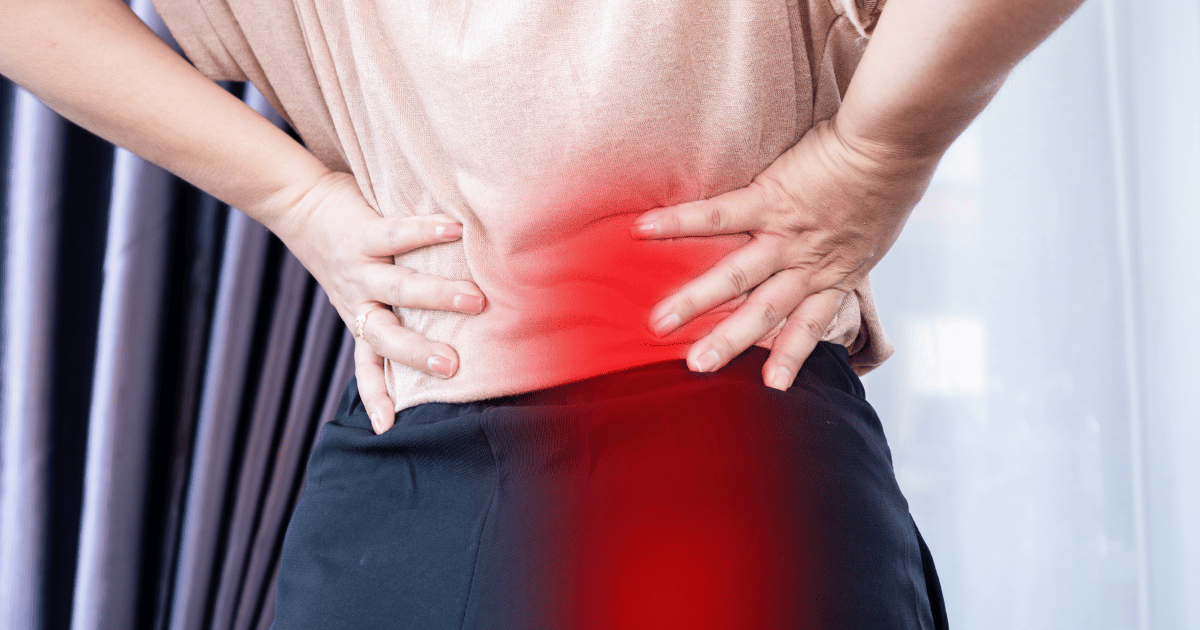
Pain that starts in the lower back or buttock and travels down the leg can make everyday activities difficult. Sitting at a desk, getting out of a car, bending forward, or even walking may become uncomfortable. Some people experience sharp, shooting pain, while others notice tingling, numbness, or weakness.
These symptoms may be associated with sciatica, a term commonly used to describe pain related to irritation or compression of the sciatic nerve or its nerve roots.
At Victory Spinal Care in Melbourne, Florida, we understand that persistent back and leg discomfort can affect your mobility and daily routine. Our practice specializes in upper cervical chiropractic care, which focuses on the upper neck. Because sciatica often involves structures in the lower back or along the sciatic nerve, it is important to understand the possible cause of your symptoms before deciding which care approach may be appropriate.
The sciatic nerve is the largest nerve in the body. It originates from nerve roots in the lower spine, travels through the buttock area, and extends down each leg. When these nerve roots or the nerve itself become irritated or compressed, symptoms may develop along its pathway.
Common sciatica symptoms include:
Sciatica commonly affects one side of the body, although symptoms can vary. Not everyone experiences back pain, and the intensity of leg pain does not necessarily indicate how serious the underlying problem is.
Important: New or worsening leg weakness deserves prompt medical assessment. Severe or progressive neurological symptoms should not be ignored.
Sciatica is a symptom pattern rather than a diagnosis that identifies one specific cause. Several conditions can irritate or compress the nerve roots that contribute to the sciatic nerve.
Herniated or Bulging Disc
The discs between the vertebrae help cushion the spine. When disc material protrudes and irritates a nearby nerve root, pain, tingling, numbness, or weakness may develop along the leg.
Spinal Stenosis
Spinal stenosis occurs when spaces within the spine become narrower. In some cases, this narrowing puts pressure on nerves and causes leg pain, numbness, or weakness, particularly during standing or walking.
Age-Related Spinal Changes
Changes involving spinal joints and discs may contribute to narrowing around nerve roots. These changes are common with age, but imaging findings do not always explain a person’s symptoms.
Spondylolisthesis and Other Spinal Conditions
When one vertebra slips relative to another, it may contribute to nerve irritation or compression. Other spinal conditions can also affect the nerve roots associated with sciatica.
Other Sources of Buttock and Leg Pain
Not all pain that travels down the leg comes from the sciatic nerve. Muscular problems, hip conditions, peripheral nerve disorders, and other medical issues can produce similar symptoms. A clinical assessment can help distinguish between these possibilities.
No. Low back pain describes discomfort in the lower back, while sciatica refers to symptoms associated with irritation of the sciatic nerve or its contributing nerve roots.
The two can occur together, but they are not interchangeable.
If your symptoms include radiating leg pain, numbness, or weakness, a healthcare provider can assess whether sciatica or another condition may be responsible.
For more information, read about Low Back Pain and how it can differ from nerve-related leg symptoms.
Understanding the Difference Between Upper Neck Care and Sciatica
Victory Spinal Care specializes in upper cervical chiropractic care, which focuses on the upper portion of the neck. Sciatica, however, commonly involves the lower spine, nerve roots, or the sciatic nerve itself.
Because these are different anatomical areas, upper cervical chiropractic care should not be presented as a direct treatment for sciatic nerve compression. There is not sufficient evidence to establish this specialized approach as a treatment for sciatica.
If you are experiencing sciatica symptoms, an appropriate medical evaluation is important to identify the likely cause and determine whether you need specific treatment for a nerve or spinal condition.
For people who also have a separate neck or upper cervical concern, Victory Spinal Care can discuss whether an upper cervical evaluation may be appropriate for that concern. This is distinct from diagnosing or treating the underlying cause of sciatica.
Our priority is helping you understand the scope of our services and make informed decisions about your spinal health without promising results that have not been established.
Your next steps depend on symptom severity and the underlying cause. If your symptoms are mild and no warning signs are present, the following general measures may help you stay comfortable while arranging appropriate care:
Avoid starting aggressive stretches or exercises without guidance if you have significant pain, new numbness, or weakness. Do not use self-care measures as a reason to delay medical evaluation when symptoms are severe or worsening.
Many cases of sciatica can be managed without surgery, but certain symptoms require urgent assessment.
Seek emergency medical care immediately if you develop:
These can be warning signs of serious nerve compression, including cauda equina syndrome.
Seek prompt medical evaluation if you develop new or worsening leg weakness, persistent numbness, fever with back pain, unexplained weight loss, or pain following a significant injury. Arrange an evaluation if pain persists, keeps returning, or interferes with sleep, walking, work, or daily activities.
Q. What is the most common cause of sciatica?
A. A herniated disc that irritates or compresses a nerve root is a common cause. Spinal stenosis and other spinal changes can also contribute. However, the cause cannot be determined from symptoms alone, and not all pain that travels down the leg is sciatica.
Q. Can sciatica go away on its own?
A. Some cases improve over several weeks with time and appropriate conservative management. Recovery depends on the underlying cause and severity. Persistent, worsening, or recurring symptoms should be assessed, especially if numbness or weakness develops.
Q. Can a chiropractor help with sciatica?
A. Some chiropractic approaches involving spinal manipulation have been studied for certain types of low back pain, but evidence for a particular technique does not establish that every chiropractic method is effective for sciatica. The appropriateness of care depends on the cause of the symptoms, the examination findings, and individual risks.
Victory Spinal Care specializes in upper cervical chiropractic care, which is not an established direct treatment for sciatic nerve compression. A medical evaluation can help determine which treatment options are appropriate.
Q. How can I tell if my leg pain is sciatica or a muscle problem?
A. Sciatica often causes pain that travels from the buttock down the leg and may be accompanied by tingling, numbness, or weakness. Muscle problems can cause localized pain or tenderness, but symptoms can overlap. An examination is the best way to assess the likely source.
Q. Should I walk or rest when I have sciatica?
A. For many people without serious warning signs, gentle movement as tolerated is preferable to prolonged bed rest. However, avoid activities that significantly worsen your symptoms, and seek individualized guidance if walking is difficult or symptoms are increasing.
Q. When is sciatica an emergency?
A. Sciatica symptoms require emergency evaluation if they occur with new bladder or bowel control problems, difficulty urinating, numbness around the groin or saddle area, or other signs of serious nerve compression. Severe or rapidly progressing weakness also needs urgent assessment.
Personalized Care and Clear Guidance in Melbourne, FL
Pain that travels down your leg can have several possible causes. Understanding whether your symptoms involve a nerve, a disc, or another condition is an important part of choosing the right next step.
Victory Spinal Care specializes in upper cervical chiropractic care. If you have a separate neck or upper cervical concern, our team can discuss whether an evaluation may be appropriate. For sciatica symptoms, especially when pain is persistent or accompanied by numbness or weakness, seek an appropriate medical assessment to identify the cause and discuss suitable treatment options.
Victory Spinal Care
301 W Fee Ave, Melbourne, FL 32901
Phone: (321) 288-1455
Serving Melbourne, Palm Bay, Viera, Suntree, West Melbourne, and surrounding Brevard County communities.
Contact Victory Spinal Care to learn more about our upper cervical chiropractic services and whether they may be appropriate for your spinal health needs.
Victory Spinal Care provides personalized upper cervical chiropractic care in Melbourne, Florida. Dr. Javier Canales-Díaz is committed to helping patients understand their spinal health and explore appropriate care options.
Service Areas: Melbourne, Palm Bay, Viera, Suntree, West Melbourne, and surrounding communities in Brevard County, Florida.
Copyright 2016-2025 Victory Spinal Care. All Rights Reserved.